
For millions of people, the burning, tingling, numbness, and sharp pain of neuropathy get in the way of mobility, sleep, and everyday quality of life. These symptoms are often dismissed as an inevitable part of aging or of living with diabetes — but researchers are increasingly questioning that assumption.
"Many people assume neuropathy is just something that comes with age or with diabetes," one perspective shared by peripheral nervous system researchers puts it. "But a growing body of evidence points to nutrition, daily habits, and inflammation playing a bigger role than we once thought."
That shift in thinking has opened up a broader conversation about peripheral nerve health — and about why the tingling, numbness, and pain of neuropathy can be so difficult to shake.
Americans affected by
peripheral neuropathy
Of diabetes patients
develop neuropathy symptoms
Of neuropathy cases
may have nutritional contributors
Estimates based on data from the National Institute of Neurological Disorders and peer-reviewed publications. Individual experiences vary widely.
What Researchers Are Learning About Neuropathy
Peripheral neuropathy isn't a single condition — it involves an entire network of nerves running from the spinal cord to the hands, feet, and organs, all of which depend on steady nutrition, circulation, and protection. When any link in that chain is disrupted, the result can range from mild tingling to chronic burning pain or a total loss of sensation.
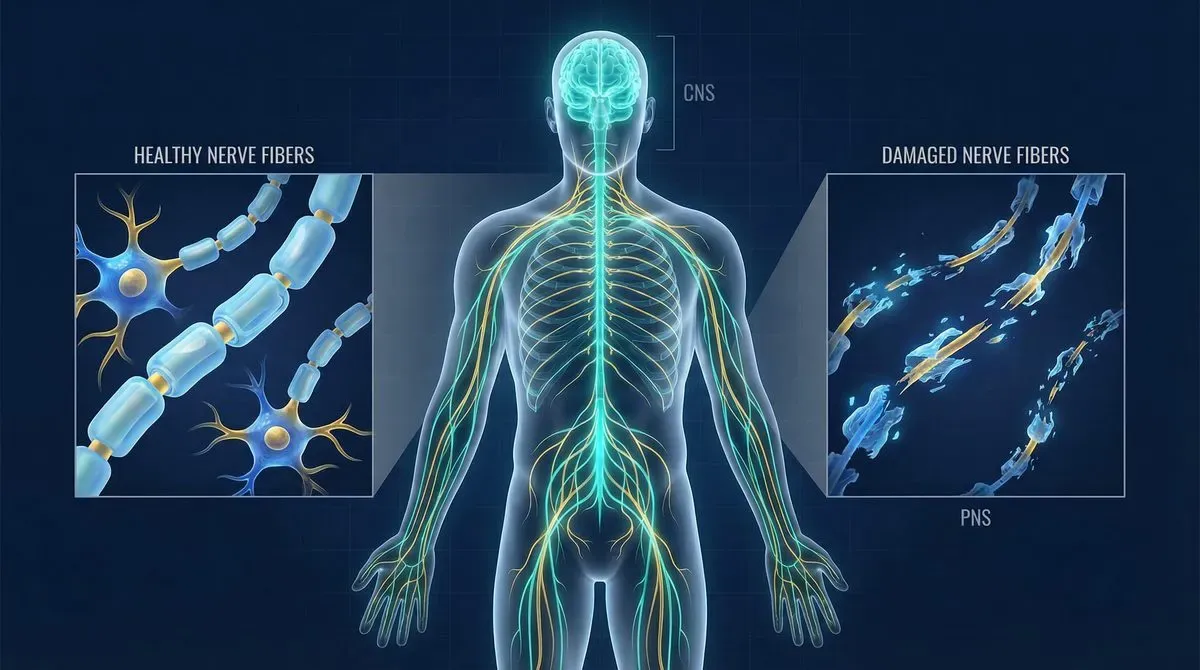
Illustration: peripheral nerve fibers — a healthy myelin sheath versus fibers affected by oxidative stress and nutritional gaps
Age is still the most widely recognized factor, but researchers are paying closer attention to others. Nutritional gaps — particularly in B vitamins — have become a real area of interest. B12, B6, and Alpha-Lipoic Acid each play a role in protecting the myelin sheath that shields nerve fibers and in keeping nerve signals moving properly.
Beyond vitamins, researchers have also looked at chronic inflammation, oxidative stress, and certain everyday dietary patterns as possible contributors to neuropathy progression — fueling a broader conversation about whether a more complete approach to nerve health could complement conventional care.
Everyday Habits That May Worsen Neuropathy
If nutrition and inflammation influence nerve health, certain everyday habits may make neuropathy symptoms worse. A few patterns keep coming up in the research — though individual responses vary and the science is still developing.
Long Periods of Sitting
Sitting for extended stretches can slow circulation to the hands and feet, putting pressure on peripheral nerves and limiting the oxygen and nutrients they receive. Regular movement and gentle exercise are thought to support healthier nerve circulation and ease neuropathy symptoms over time.
Too Much Sugar and Refined Carbs
Consistently high blood sugar is one of the most studied contributors to nerve damage. Frequent glucose spikes can injure the small blood vessels that feed peripheral nerves, speeding up neuropathy — even in people who aren't diabetic.
Chronic Stress and Poor Sleep
Ongoing stress and not enough sleep are linked to higher inflammation throughout the body. Nerve repair happens largely during sleep — cutting that short can make neuropathy symptoms harder to manage.
Alcohol
Chronic alcohol use is a well-documented cause of peripheral neuropathy. It's directly toxic to nerve tissue and depletes the B vitamins nerves depend on. Even regular moderate drinking has been linked to more tingling and numbness in the extremities for some people.
Foods Researchers Have Studied in Relation to Nerve Health
The link between diet and peripheral nerve function is an increasingly active area of research. Some nutrients have been studied for their potential to support nerve health, while other common foods have been looked at for possible downsides. Here are four categories that keep coming up.

Foods rich in nutrients that have drawn scientific interest in the context of nerve health and neuropathy
Food Category #1
Fatty Fish and Omega-3s
Salmon, sardines, and mackerel are rich in omega-3 fatty acids, studied for their anti-inflammatory and neuroprotective properties. Some research suggests omega-3s may help support the myelin sheath and a healthy inflammatory response, potentially easing neuropathy symptoms.
Food Category #2
Dark Leafy Greens and B Vitamins
Spinach, kale, and other dark greens are strong sources of folate and B vitamins, both essential for nerve function. B vitamins help maintain the myelin sheath and support the regeneration of damaged nerve fibers — adequate B12 intake, in particular, is one of the most consistently cited nutritional factors in this research.
Food Category #3
Berries and Antioxidant-Rich Fruit
Blueberries, strawberries, and other deeply colored fruits are rich in antioxidants that may help protect nerve cells from oxidative stress. Some studies have explored whether these compounds could ease neuropathic pain by helping neutralize the free radicals linked to nerve damage over time.
Food Category #4
Himalayan Pink Salt
Unlike refined table salt, Himalayan pink salt carries over 80 trace minerals — including magnesium, potassium, calcium, and iron — all with recognized roles in nerve function and electrical signaling. Magnesium in particular has been studied for its potential to support healthy nerve conduction and ease neuropathic discomfort. Some researchers suggest that swapping processed sodium for mineral-rich salt may help support the electrolyte balance nerves rely on to fire properly. Results vary by individual, but pink salt's broader mineral profile makes it a reasonable, more nerve-supportive alternative to heavily processed table salt.
On the flip side, researchers have also looked at whether diets high in processed foods, refined sugar, and trans fats might contribute to the inflammation and oxidative stress that can worsen neuropathy. Most health professionals agree a balanced, nutrient-dense diet is a reasonable foundation for nerve health overall.
Drinks That Have Been Linked to Neuropathy
Most conversations about neuropathy focus on food — but what you drink matters too. Several widely consumed beverages have been flagged by researchers as potential contributors to nerve damage, worsened symptoms, or nutrient depletion.
Drink #1
Alcoholic Beverages
Alcohol is one of the most well-documented dietary contributors to peripheral neuropathy — sometimes called alcoholic neuropathy — because chronic use damages nerve fibers directly and interferes with absorption of B1 and B12, both essential for the myelin sheath. Even moderate, regular drinking has been linked to tingling, numbness, and burning in the feet and hands.
Drink #2
Sugary Sodas and Energy Drinks
High-sugar drinks cause rapid blood glucose spikes that, over time, can damage the small vessels feeding peripheral nerves. People who regularly drink sugar-sweetened beverages show higher rates of neuropathy-related symptoms, and the added stimulants in energy drinks can further constrict circulation to the extremities.
Drink #3
Diet Sodas and Artificial Sweeteners
Some researchers have looked at whether certain artificial sweeteners carry neurotoxic effects. A few studies suggest heavy consumption of aspartame-sweetened drinks may be tied to greater nerve sensitivity and heightened neuropathic pain in some people, though this area needs more research.
Drink #4
Excess Coffee and Caffeine
Moderate coffee is generally fine, but too much caffeine can dehydrate you, disrupt sleep, and raise cortisol — all of which can aggravate neuropathy. Poor sleep in particular limits the body's ability to repair nerve fibers overnight, which can slow recovery.
The Nutritional Connection: Nutrients and Nerve Health
B vitamins are among the most discussed nutritional factors in peripheral nerve health research, and B12 in particular has been studied extensively for its role in maintaining the myelin sheath and supporting nerve signal transmission.
Low B12 levels have repeatedly been linked to a higher likelihood of neuropathy symptoms. Other nutrients drawing research interest include Alpha-Lipoic Acid (ALA), an antioxidant studied for reducing nerve pain and supporting regeneration, and Acetyl-L-Carnitine, examined for its potential to support nerve fiber repair and ease neuropathic discomfort.
Simple Approaches Some People Have Explored
Beyond dietary changes, some people look at lifestyle adjustments as part of a broader approach to managing neuropathy symptoms. These aren't a replacement for medical advice, but they're areas of ongoing interest.
Nerve Health Focus Areas Being Explored
Regular, Gentle Movement
Low-impact activities like walking, swimming, and yoga have been studied for improving circulation to the extremities. Regular gentle exercise may stimulate nerve growth factors and help reduce neuropathic pain over time.
Nutritional Support
Some people look at supplements containing B vitamins, Alpha-Lipoic Acid, and omega-3s as part of a nerve-health routine. As with any supplement, it's worth checking with a healthcare professional first.
Stress Management
Meditation, deep breathing, and mindfulness have been studied for their effect on the body's inflammatory response and on how neuropathic pain is perceived during rest.
Blood Sugar Management
Keeping blood sugar stable is widely recognized as one of the most important factors for preventing further nerve damage, especially for diabetes-related neuropathy.
Exploring Nutritional Approaches to Nerve Well-Being
As interest in the diet-nerve health connection grows, some people look at dietary supplements as part of a broader wellness routine. One such product is NeuroPulse Pro, a supplement formulated with ingredients that have drawn scientific interest for their potential role in supporting peripheral nerve health and easing neuropathy symptoms.

Natural ingredients that have drawn research interest in the context of nerve well-being and neuropathy
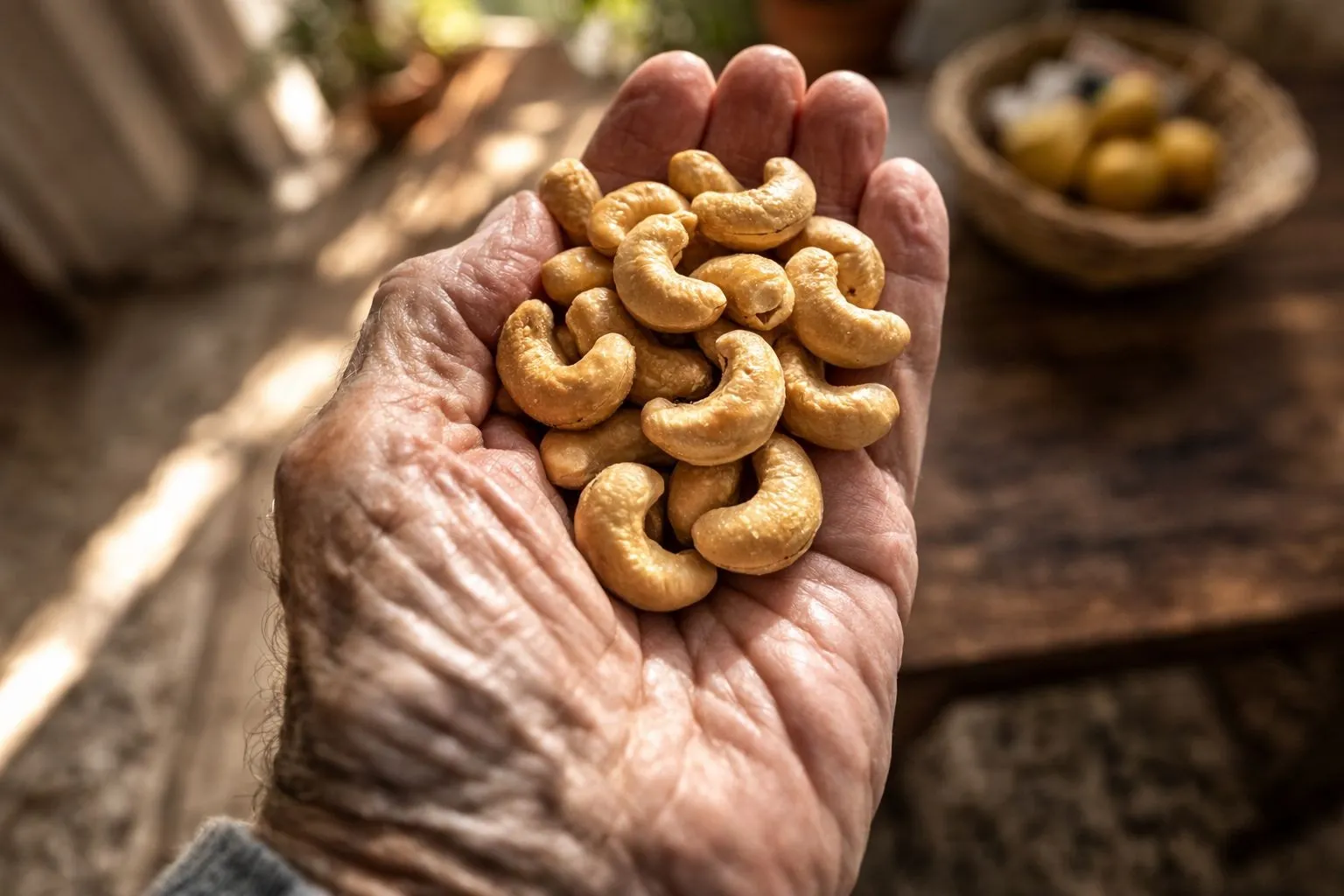

NeuroPulse Pro's formulation includes ingredients studied in various contexts for their potential role in supporting peripheral nerve health — combining compounds with a long history in herbal wellness practices alongside nutrients with a recognized role in nerve function and myelin maintenance.
Nutritional Focus Areas in NeuroPulse Pro's Formulation
B-Vitamin Complex
A combination of B1, B6, and B12 — vitamins with essential roles in maintaining healthy myelin sheaths, supporting nerve signal transmission, and promoting peripheral nerve regeneration.
Ginkgo Biloba and Botanical Extracts
Traditional ingredients chosen for their historical use in supporting peripheral circulation, reducing nerve inflammation, and easing tingling and numbness in the extremities.
Alpha-Lipoic Acid (ALA)
A potent antioxidant studied for its potential to reduce oxidative stress in peripheral nerves, support nerve conduction, and ease neuropathic pain.
Neuroprotective Antioxidants
Compounds studied for their potential to support nerve cell health by helping neutralize the free radicals linked to nerve damage over time.
Walnut Extract
Rich in omega-3s and antioxidants, studied for supporting nerve cell membrane integrity, reducing neuropathic inflammation, and promoting overall nerve wellness.
Ginger Root
A botanical with well-known anti-inflammatory and antioxidant properties, traditionally used to help protect peripheral nerves against oxidative stress and support circulation.
A Balanced Approach to Nerve Wellness

Supporting peripheral nerve health is an ongoing process. Research keeps evolving, but many healthcare professionals point to the same idea: a comprehensive approach — one that weighs overall health, blood sugar, nutrition, and lifestyle alongside any medical treatment — tends to serve people best.
For those curious about nutritional approaches to nerve wellness, a product like NeuroPulse Pro is one option worth learning more about. As with any supplement, check with a healthcare professional before adding it to your routine, especially if you're under medical care or taking medication.
Learn More About NeuroPulse Pro
See the ingredients and the thinking behind NeuroPulse Pro's approach to supporting peripheral nerve health and easing neuropathy symptoms.
Learn More About NeuroPulse ProIndividual results may vary. NeuroPulse Pro is a dietary supplement, not a medication. This is paid content.